New asphalt could change F1 strategies at the Mexico City Grand Prix
Photo: formula1.com
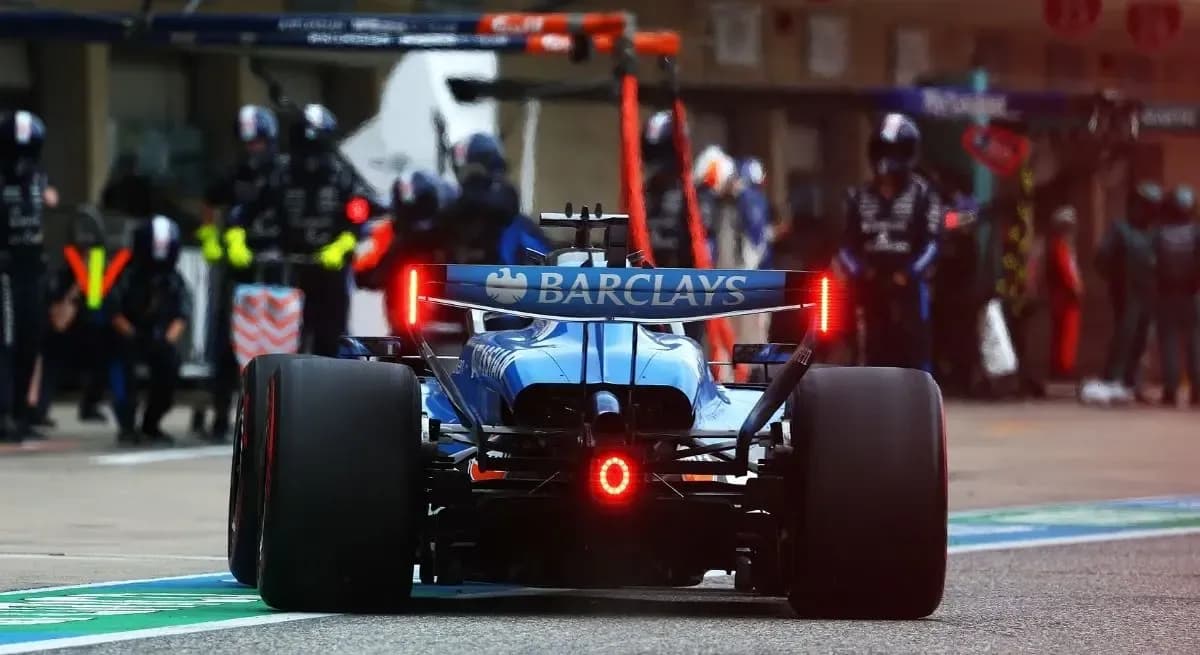
Formula 1 teams face a major strategic challenge at the 2026 Mexico City Grand Prix, with extensive resurfacing at the Autódromo Hermanos Rodríguez creating uncertainty over tyre performance and race strategy. The changes could influence everything from qualifying preparation to the number of pit stops required on Sunday, making Friday’s practice sessions particularly important.
The resurfacing covers the section from Turn 16 to Turn 1, as well as the stretch between Turns 7 and 16. Only the opening sector remains largely unchanged. New asphalt typically offers greater grip and a smoother surface, but its precise characteristics must be assessed on track. Teams will need to understand how quickly the surface gains grip, how the tyres warm up and whether graining becomes a significant problem as the weekend progresses.
Pirelli has selected the C3 hard, C4 medium and C5 soft compounds for the event. The softer allocation could create more strategic possibilities than last year, when a harder compound was brought to Mexico. Pirelli believes a one-stop strategy could be competitive because the circuit generally places relatively modest demands on the tyres. However, Williams expects a two-stop race to be a realistic option if degradation and graining prove more severe than anticipated. The final decision will depend heavily on the data collected during practice.
The circuit’s altitude adds another layer of complexity. At approximately 2,200 metres above sea level, the thinner air reduces aerodynamic downforce and makes cooling the brakes and power unit more difficult. Lower grip levels can increase tyre sliding, while running behind another car may raise temperatures and compromise performance. These factors could make qualifying position particularly valuable, as overtaking is not always straightforward despite the long main straight.
The new surface is therefore likely to be one of the defining variables of the weekend. Teams that quickly understand the balance between tyre warm-up, grip and degradation could gain a decisive advantage. With the possibility of either a one-stop or two-stop race still open, the Mexico City Grand Prix promises to be a significant test of strategic flexibility.

Comments
Loading comments...